Insurance in Coeur d'Alene & North Idaho
Commercial Auto and Umbrella Coverage in Coeur d'Alene
Business vehicles create liability exposure that can grow quickly as routes, drivers, and contracts expand. Redman & Company Insurance helps Coeur d'Alene businesses compare commercial auto and umbrella options across multiple carriers, with practical focus on limit strategy and operational fit.
Independent agency, not captive
Redman & Company Insurance is an independent agency, not a captive agency. We can compare multiple commercial auto and umbrella markets to match your fleet profile and contract needs.
Personal vs. commercial use is a core decision
Owners often start by using personal trucks for business errands, deliveries, or jobsite support. As use becomes more business-oriented, commercial auto is usually the more reliable structure.
The key is matching policy intent to real use patterns. Claims can become complicated when vehicle use and policy setup are out of sync.
Build limits around severity, not minimums
Auto liability losses can escalate quickly when multiple injured parties are involved. Relying only on minimum contract requirements may underprotect business assets.
Limit reviews should include whether $1M remains appropriate or whether $2M and umbrella layering better reflect current risk and contract pressure.
HNOA and rentals still create exposure
Even businesses without owned vehicles can face auto liability through employee-owned cars and rentals. Hired and non-owned auto (HNOA) coverage helps address these scenarios.
Coverage details should align with travel habits, delivery patterns, and driver authorization policies. Lean teams often underestimate this exposure.
Fleet controls influence outcomes
Fleet performance depends on more than insurance purchase. Driver screening, MVR review, maintenance discipline, and telematics oversight all shape claim trends.
Underwriters often reward organizations that can document consistent controls. Better process can improve both safety and renewal stability.
Know exclusion and wording differences
Commercial auto policies can look similar while handling certain scenarios differently. Exclusions, endorsement options, and defense language deserve careful comparison.
Quote evaluation should include form quality and operational fit, not just premium headlines. This is especially true for specialized delivery and construction fleets.
Delivery and seasonal scaling need planning
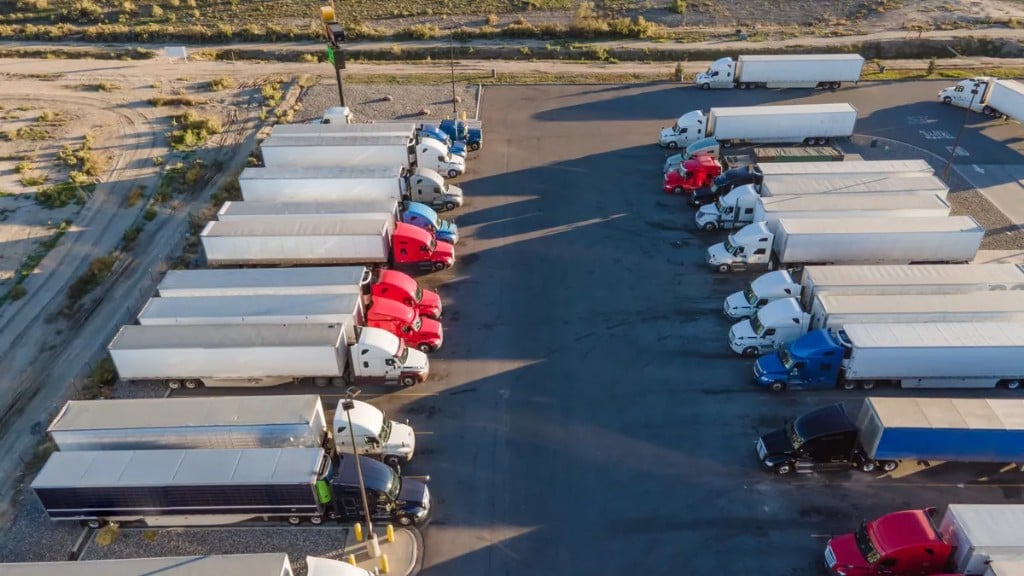
Delivery fleets and seasonal operations often add units and drivers quickly. Insurance administration, onboarding, and reporting processes must keep pace to help reduce the chance of gaps.
Weekly update habits for vehicle schedules and driver status can help reduce claim friction and audit surprises during peak periods.
Use independent market access strategically
Carrier appetite differs by fleet size, route profile, and loss history. Independent agencies can compare those differences and explain trade-offs clearly.
As your business evolves, independent representation helps keep program structure adaptable instead of locked into one carrier path.
Frequently asked questions
- Can my personal truck policy cover business use?
- Sometimes in limited situations, but many business uses are excluded or restricted. Commercial auto is often more appropriate.
- What does commercial auto usually cover?
- It typically covers owned business vehicles for liability, and may include physical damage based on selected options.
- What is umbrella insurance for business vehicles?
- Umbrella insurance can add liability limits above underlying commercial auto and other scheduled policies.
- How do I choose between $1M and $2M limits?
- Review claim severity potential, contract requirements, and asset protection goals rather than using a one-size rule.
- What is hired and non-owned auto (HNOA)?
- HNOA addresses liability from rented or employee-owned vehicles used for business activities.
- Do rental vehicles create business auto exposure?
- Yes. Temporary rentals can create liability and damage obligations that should be addressed in advance.
- How does fleet size affect insurance?
- Larger fleets generally require stronger controls, more formal driver management, and tighter reporting discipline.
- Can telematics reduce premiums?
- It can support better underwriting conversations and safety outcomes, though results depend on implementation quality.
- What exclusions should I review first?
- Review exclusions tied to driver authorization, vehicle use, cargo/activity assumptions, and operational changes.
- Is excess liability the same as umbrella?
- Not always. Both add limits, but policy response and breadth can differ by form.
- Why are MVR checks important?
- Driver history is a major loss indicator, and regular MVR review helps identify elevated risk earlier.
- How should seasonal fleets handle coverage updates?
- Use consistent schedule updates and driver onboarding controls so policy data stays current during peak growth.
- What documents do contracts often require?
- Many contracts require certificates, specified limits, and sometimes endorsement-based wording for compliance.
- Why use an independent agency for commercial auto?
- Independent agencies can compare multiple carriers and forms for better long-term fit as operations change.
This information is intended for general educational purposes only and does not change, expand, or guarantee coverage. Actual coverage depends on the specific policy forms, endorsements, carrier underwriting guidelines, eligibility requirements, claim facts, and applicable state law. Please review your policy documents and speak with a licensed insurance professional about your specific situation.
Ready to compare options for commercial auto / umbrella?